Get Gas Line Relocation
Gas line relocation services help property owners safely move or adjust underground or overhead gas lines for renovations, new construction, or safety compliance, handled by local contractors.
Property owners considering gas line relocation often face important planning decisions to ensure safety and compliance with local regulations. Whether updating an existing property, expanding a building, or making improvements that require rerouting gas lines, understanding the options available can help streamline the project. Exploring services from local contractors who specialize in gas line work provides valuable insight into the practical steps involved and how to coordinate with other aspects of property development or renovation.
Comparing different local service providers can assist property owners in finding experienced professionals equipped to handle gas line relocations efficiently. Engaging with local contractors ensures that the work aligns with regional standards and site-specific requirements. Continuing to explore your options can help you make informed decisions and connect with qualified specialists ready to assist with your project needs.
- Gas Line Relocation for Home Renovations - homeowners planning major renovations may need to move gas lines to accommodate new layouts.
- Commercial Gas Line Relocation - businesses undergoing space reconfigurations might require local contractors to shift existing gas infrastructure.
- New Construction Gas Line Setup - builders may need to reroute or install gas lines during the development of new properties.
- Emergency Gas Line Adjustment - urgent situations, such as leaks or damages, often call for quick relocation services from experienced local service providers.
- Gas Line Upgrades and Modifications - upgrading or modifying existing gas lines to meet new safety standards or appliance requirements may involve professional relocation work.
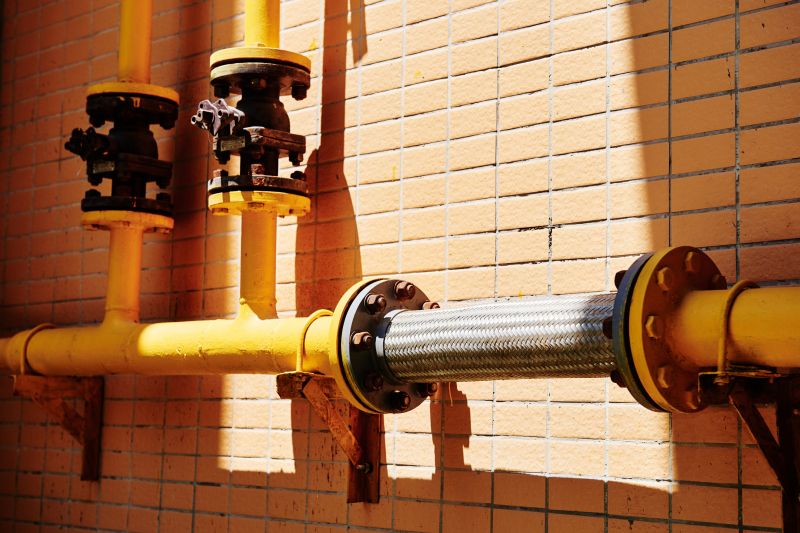
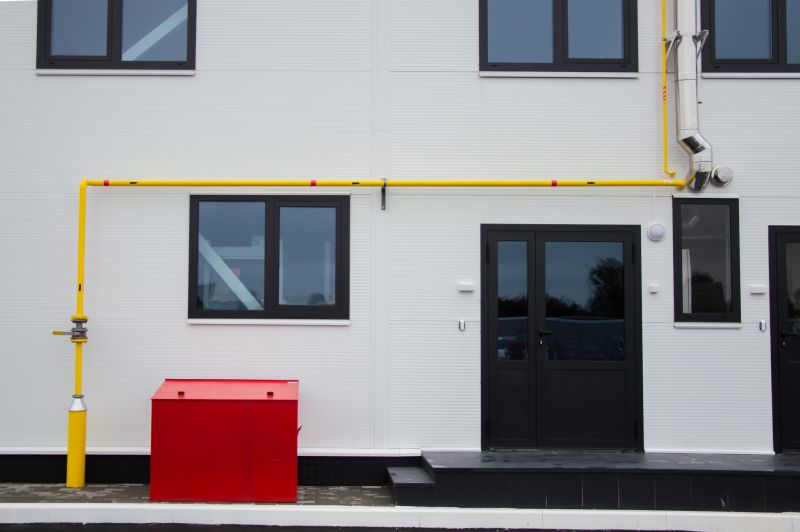
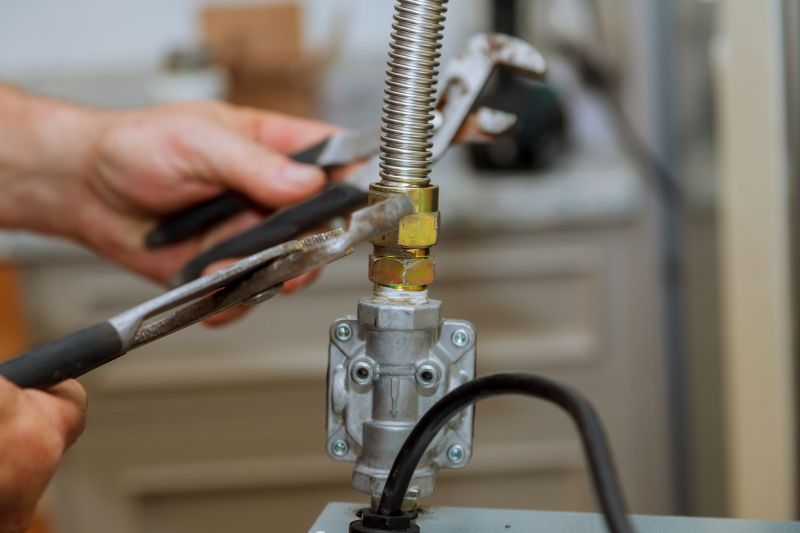
Gas line relocation services involve the process of safely moving an existing natural gas or propane line from one location to another on a property. This work typically requires careful planning and precise execution to ensure the gas supply remains secure and functional throughout the process. Service providers may handle tasks such as disconnecting the current line, excavating the pathway for the new route, installing the new gas line, and reconnecting it to the existing system. These projects are often necessary when property renovations, additions, or landscaping plans interfere with the original gas line placement.
Relocating a gas line can help resolve several common problems faced by homeowners. For example, if a new driveway, patio, or structure is planned that conflicts with the current gas line location, moving the line ensures safety and compliance with local codes. It also helps prevent potential damage from future construction or landscaping activities, reducing the risk of leaks or service disruptions. In some cases, a gas line may need to be moved to improve access for maintenance or to upgrade an aging infrastructure, ensuring the system remains reliable and safe.
This service is frequently used on residential properties, especially those undergoing significant renovations or expansions. Homeowners with older gas lines that need rerouting for safety or efficiency reasons also seek gas line relocation. Additionally, properties with large yards or multiple structures, such as guest houses or outdoor kitchens, often require the gas line to be extended or rerouted to accommodate new appliances or features. Commercial properties and multi-unit residential buildings may also need this work when modifications are made to their layouts or utility connections.
Service providers who specialize in gas line relocation are equipped to handle a variety of property types, from single-family homes to larger estates and commercial sites. They ensure the work complies with safety standards and local regulations, providing a reliable solution for those needing to adjust their gas infrastructure. Contacting local contractors can help determine the best approach for a specific property, ensuring that the gas line is relocated safely and efficiently to meet the homeowner’s needs.
The overview below groups typical Gas Line Relocation projects into broad ranges so you can see how smaller, mid-sized, and larger jobs often compare in your area.
In many markets, a large share of routine jobs stays in the lower and middle ranges, while only a smaller percentage of projects moves into the highest bands when the work is more complex or site conditions are harder than average.
Smaller Repairs - typically cost between $250 and $600 for many routine jobs such as rerouting a gas line or fixing a small leak. Most projects in this range are straightforward and involve minimal excavation or material costs.
Mid-Size Relocations - usually fall within $600 to $2,000, covering moderate-length reroutes or adjustments for renovations. Many local contractors handle these projects regularly within this budget range.
Major Replacements - can range from $2,000 to $5,000 or more for extensive rerouting or replacing large sections of gas line, especially in complex or older properties. Fewer projects reach the upper end of this spectrum, but they are common for larger-scale upgrades.
Full System Overhaul - larger, more complex projects like complete gas line replacement or rerouting in commercial buildings can exceed $5,000, depending on the scope and difficulty. These projects are less frequent but handled by experienced local service providers.
Actual totals will depend on details like access to the work area, the scope of the project, and the materials selected, so use these as general starting points rather than exact figures.
Underground Utility Line Installation - local contractors who install various underground utilities, such as water or electrical lines, utilize similar planning and excavation skills as gas line relocations.
Foundation Excavation and Repair - this type of project involves precise excavation and site preparation, requiring careful planning and knowledge of underground infrastructure.
Septic System Installation and Repair - installing or relocating septic systems involves trenching, excavation, and working around existing underground utilities, similar to gas line work.
Drainage System Installation - installing underground drainage involves trenching and underground piping, sharing planning and excavation techniques with gas line relocation.
Water Line Replacement - replacing or relocating water lines requires excavation, careful planning, and knowledge of underground piping systems akin to gas line services.
Cable and Fiber Optic Line Installation - laying underground cables involves trenching and working around existing utilities, requiring similar skills and safety considerations as gas line relocation.
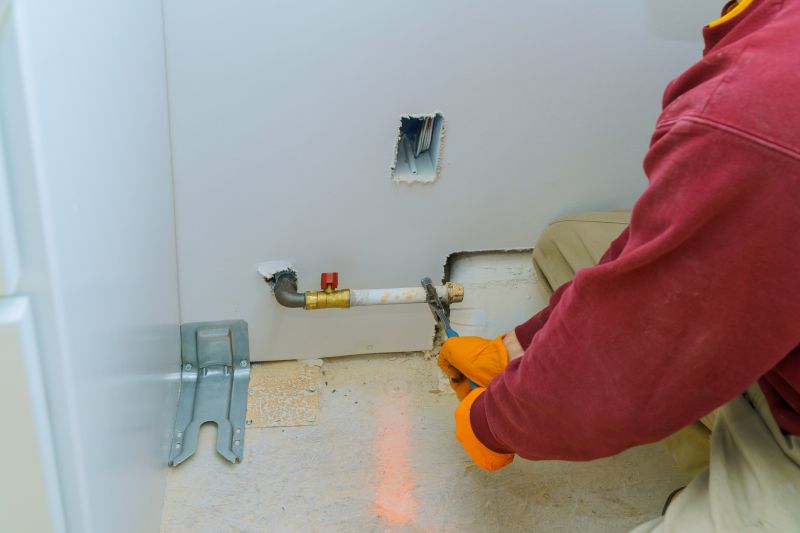
When evaluating potential service providers for gas line relocation, it’s important to consider their experience with similar projects. Homeowners should seek out local contractors who have a proven track record of handling gas line modifications in residential settings. Inquiring about the number of comparable jobs completed can provide insight into their familiarity with the specific challenges and requirements involved. This experience helps ensure the contractor understands the necessary safety precautions and technical considerations, reducing the likelihood of issues during the project.
Clear, written expectations are essential when comparing local pros for gas line relocation services. Homeowners should request detailed project descriptions, including the scope of work, materials to be used, and any relevant steps involved. Having this information in writing helps establish a mutual understanding of what the project entails and can serve as a reference throughout the process. Clear expectations also facilitate communication and help prevent misunderstandings, making it easier to assess whether a contractor’s approach aligns with the homeowner’s needs.
Reputable references and effective communication are key factors in selecting a reliable service provider. Homeowners should ask for references from previous clients who had similar work performed, which can provide insights into the contractor’s professionalism, quality of work, and ability to meet deadlines. Good communication skills are equally important, as they ensure that questions are answered promptly and concerns are addressed throughout the project. It’s worth noting that this site introduces homeowners to local options for gas line relocation, connecting them with qualified contractors rather than performing the work itself.
Property owners use Gas Line Relocation services for practical projects around their homes and businesses. This guide focuses on everyday jobs and straightforward project options.
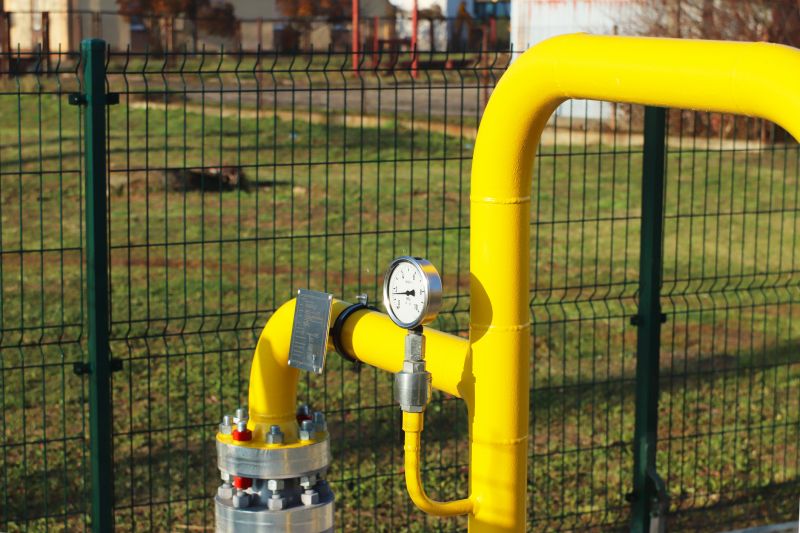
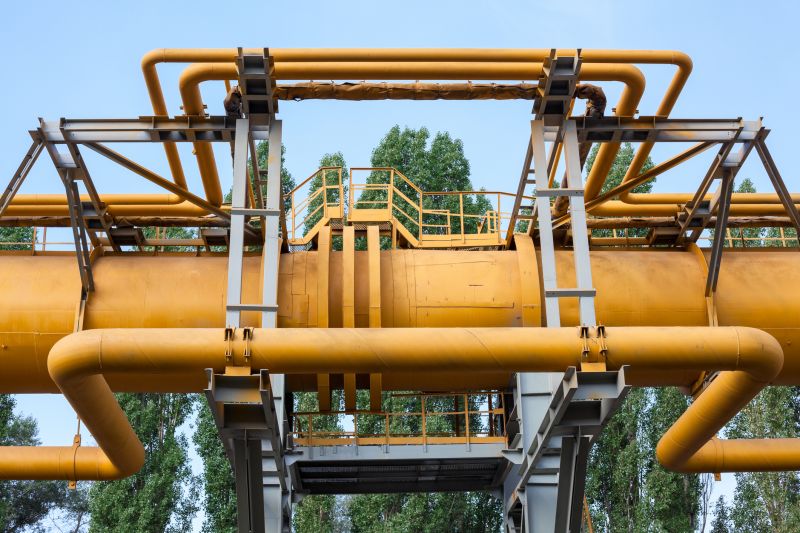
Gas line relocation services are often needed when property owners plan to remodel, expand, or renovate their homes or commercial spaces. Moving existing gas lines might be necessary to accommodate new layouts, install additional appliances, or improve safety and accessibility. Local contractors can assist with these projects, ensuring the work is done properly to meet the specific requirements of each property and project scope.
In many cases, property owners seek gas line relocation when installing new outdoor features such as decks or patios, or when making changes to landscaping that interfere with existing gas lines. Additionally, those upgrading their heating systems or appliances may require existing gas lines to be moved to new locations. Local service providers are available to handle these types of projects efficiently, helping property owners adapt their spaces while maintaining safety and compliance.
What is gas line relocation? Gas line relocation involves moving existing gas lines to a different location to accommodate renovations, new construction, or safety improvements.
Why might I need gas line relocation services? Gas line relocation may be necessary for remodeling projects, adding new appliances, or ensuring safety in case of underground obstructions or building changes.
How do local contractors handle gas line relocation? Experienced service providers assess the site, plan the new gas line route, and perform the work following safety and code guidelines to ensure proper installation.
Are there safety concerns associated with gas line relocation? Yes, proper handling by qualified contractors is essential to prevent leaks, ensure compliance, and maintain safety during and after the relocation process.
How can I find local pros for gas line relocation? This website helps connect homeowners with trusted local contractors who specialize in gas line services and can handle your project efficiently.
Home Renovation Projects - Relocating a gas line may be necessary when expanding or remodeling a kitchen, bathroom, or outdoor living space. Local contractors can handle the safe movement of the gas line to accommodate new layouts.
Adding New Appliances - Installing appliances like a gas stove, dryer, or heater might require rerouting existing gas lines to ensure proper and safe connections.
Outdoor Improvements - Creating a new patio, deck, or outdoor kitchen often involves relocating gas lines to supply outdoor appliances or fire features.
Property Expansion - Building an addition or garage may need existing gas lines moved to make space for new construction or to improve safety and accessibility.
If you are thinking about Gas Line Relocation for a property, this guide is meant to help you understand the work, the typical project types, and how different options might fit your plans.
When you are ready, you can use the quote form on this page to share a few details about your project. From there, local pros can review the basics and respond with options that match what you have in mind.